Quick answer: The brand's website lists four actives: Bacopa monnieri, Ginkgo biloba, phosphatidylserine and huperzine A. Bacopa has the strongest memory research, huperzine A is the most potent and the most interaction-prone, and none of the amounts are published.
Fact sheet
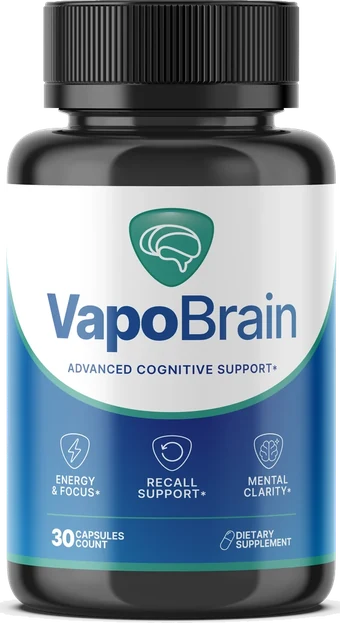
Transparency check: the four ingredients above come from the text of the brand's website. We have not seen a Supplement Facts panel, so per-capsule amounts, extract strengths and directions are unknown. Your bottle label is the final word.
The four actives
Bacopa monnieri (water hyssop)
A creeping wetland herb used in Ayurveda for centuries. In controlled studies, adults who took about 300 mg of a standardised extract daily for roughly three months remembered new information slightly better than those on placebo. Digestive upset is the usual complaint.
Bacopa fact sheet (NCCIH)Ginkgo biloba leaf
Extract from the leaves of one of the oldest living tree species. It is popular for memory, yet the largest trial to date, with more than 3,000 older adults over about six years, showed no protection against dementia. It thins the blood slightly.
Ginkgo fact sheet (NCCIH)Phosphatidylserine (PS)
A phospholipid that sits in the membranes of nerve cells and helps them signal. Most of the encouraging studies are from the 1990s and used a cow-derived form; modern soy-based PS has thinner evidence.
PS overview (MedlinePlus)Huperzine A
An extract of Chinese club moss (Huperzia serrata) that slows acetylcholinesterase, the enzyme that clears the memory messenger acetylcholine. Prescription Alzheimer's drugs work the same way, which is why interactions and side effects matter.
Huperzine A overview (MedlinePlus)How they fit together
| Role | Ingredient | What studies used |
|---|---|---|
| Acetylcholine support | Huperzine A | 50–200 mcg a day |
| Memory consolidation | Bacopa monnieri | About 300 mg extract, 12 weeks |
| Cell membranes | Phosphatidylserine | 100 mg, three times a day |
| Circulation | Ginkgo biloba | 120–240 mg a day |
Without the label we cannot tell whether VapoBrain matches any of these study amounts.
What to watch for
- Huperzine A: nausea, sweating, slow pulse; avoid with dementia drugs unless supervised.
- Ginkgo: bleeding risk with anticoagulants and aspirin.
- Bacopa: stomach upset, possible drowsiness.
- PS: generally well tolerated; check the source if you avoid soy.
Next: how the formula is supposed to work.
Sources
- NCCIH: Dietary supplements for cognitive function, dementia and Alzheimer's disease.
- NCCIH: Bacopa.
- NCCIH: Ginkgo.
- MedlinePlus: Huperzine A.
- National Institute on Aging: Cognitive health and older adults.
- CDC: About sleep.
- NIH Office of Dietary Supplements: What you need to know about supplements.
Frequently asked questions
General information, not medical advice. VapoBrain is a dietary supplement and is not intended to diagnose, treat, cure or prevent any disease.